
How to Deal with Tree Roots in Sewer Lines in Twin Falls?
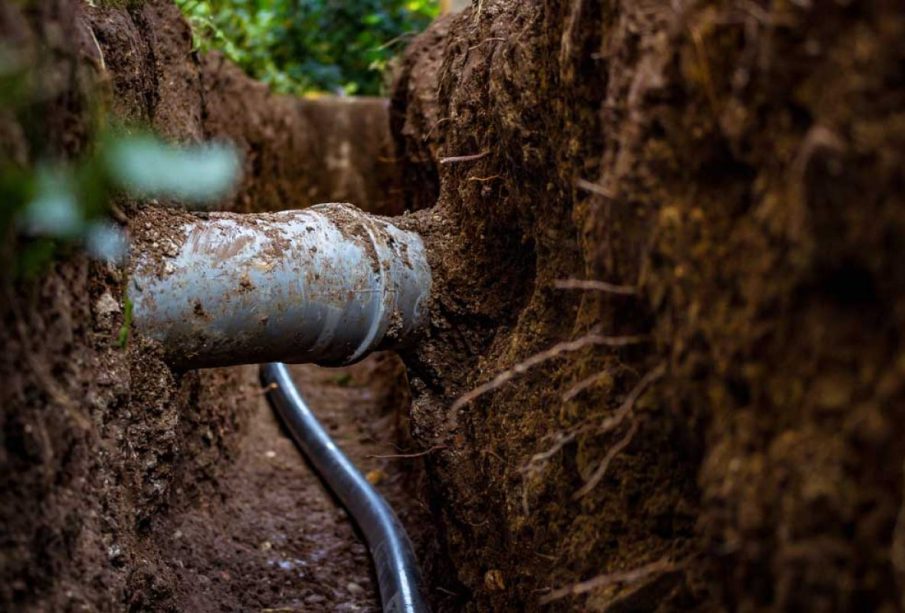
Many established neighborhoods in Twin Falls have mature landscaping, where older sewers overlap with trees. Tree roots constantly seek moisture – something that is because of sewer lines. Roots can exploit micro-cracks created by soil movement due to freeze-thaw cycles, causing major problems. Properties across Downtown and older residential areas are particularly at risk owing to clay and cast-iron sewer laterals, while many mid-age localities have transition pricing.
Fortunately, you can connect with masterrooter.com for help. The team at Master Plumbing specializes in handling tree root intrusion in sewer lines across Twin Falls with fast response times. Here are some essential details worth knowing.
Reviewing tree root intrusion
You must understand that tree roots don’t randomly damage or break pipes. Roots enter through loose joints and failed pipe connections, and once they do, repairs are necessary. In Twin Falls, there are also other pertinent factors, like dry surface soil and sewer condensation. Seasonal irrigation is also at play, and older sewer lines don’t have modern joints with proper sealing. Tree Species that commonly cause sewer issues include cottonwood, willow, and maple. Cottonwood trees grow fast and have aggressive root systems, while willow trees have higher water demand. Maple trees, on the other hand, have dense root networks.
Early warning signs
Noting early signs of damage will help avoid expensive repairs. The first one is slow drainage, which indicates an underlying sewer problem. If you have been spending on repeated clogs across fixtures, that is always a symptom of hidden damage. You may also notice sewer odor during excessive water use. In many homes, these problems worsen seasonally rather than suddenly.
Small roots usually enter sewers through hairline cracks and small gaps, but they expand rapidly soon after. The roots continue to catch debris, grease, and paper, and with time, blockages become frequent and denser and pipe walls weaken considerably. The root growth phase is at its peak during spring due to irrigation, while winter soil movement widens existing cracks.
You need expertise from plumbing experts
Most of the renowned plumbing contractors in the city rely on camera inspections to determine and confirm root intrusion. Camera checks help identify root location, pipe material, and overall joint condition, and technicians can do a better job than unnecessary digging. They can also differentiate whether this is a root-related problem or a pipe failure. Depending on findings, they can recommend between repairs and replacements. In many cases, the team will use blades to clear roots, especially for early to moderate intrusion and when pipes are structurally sound.
Hydro jetting is also an effective way to get rid of root hairs and debris, and this technique is mostly used for PVC or lined pipes. However, this is not recommended when pipes are severely damaged. There is also a technique called chemical root control, which uses treatments that target root growth. Professionals may consider this after mechanical clearing, and it can be done periodically. Such treatments often can damage pipe materials and surrounding soil, which is why plumbing experts consider this with caution.
Spot repairs can be considered for root-related damage in a localized area. Experts usually excavate the intrusion point and replace the damaged section of the pipe. If pipe integrity is compromised, full sewer line replacement can be considered, especially if other measures such as clearing and hydro jetting haven’t yielded significant results
Takeaways
If you aren’t sure why your drainage system is slow or have noticed tree roots near sewer lines, do not delay calling a plumbing service in Twin Falls. Experienced teams can also guide you on how you can avoid usual issues with effective measures and may also recommend camera inspections periodically for maintenance.


Leave a reply




-
Appropriate Color Collocation For Summer time Clothing
Summer time time time can be used. Isn’t it here i am ...