Insects That Resemble Bed Bugs: Don’t Panic Until You Read This
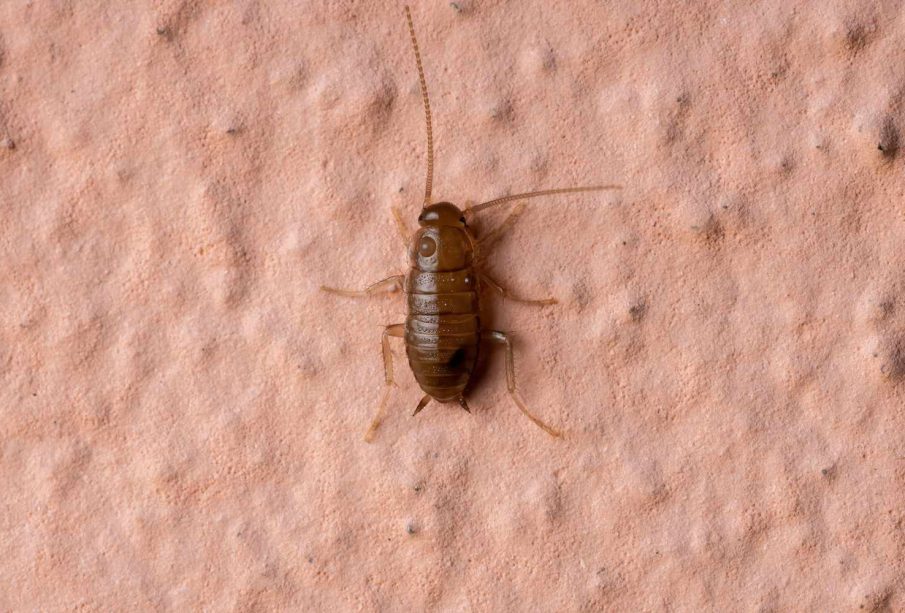
Finding a small, flat, brownish bug in your bedroom is enough to send anyone into a spiral. But before you call an exterminator or throw out your mattress, take a breath – because there are several common insects that resemble bed bugs that are completely harmless.
Misidentifying these bugs leads to unnecessary panic, wasted money on treatments, and sometimes the actual problem goes unaddressed. Here’s how to tell exactly what you’re dealing with.
Quick Answer: What Do Bed Bugs Actually Look Like?
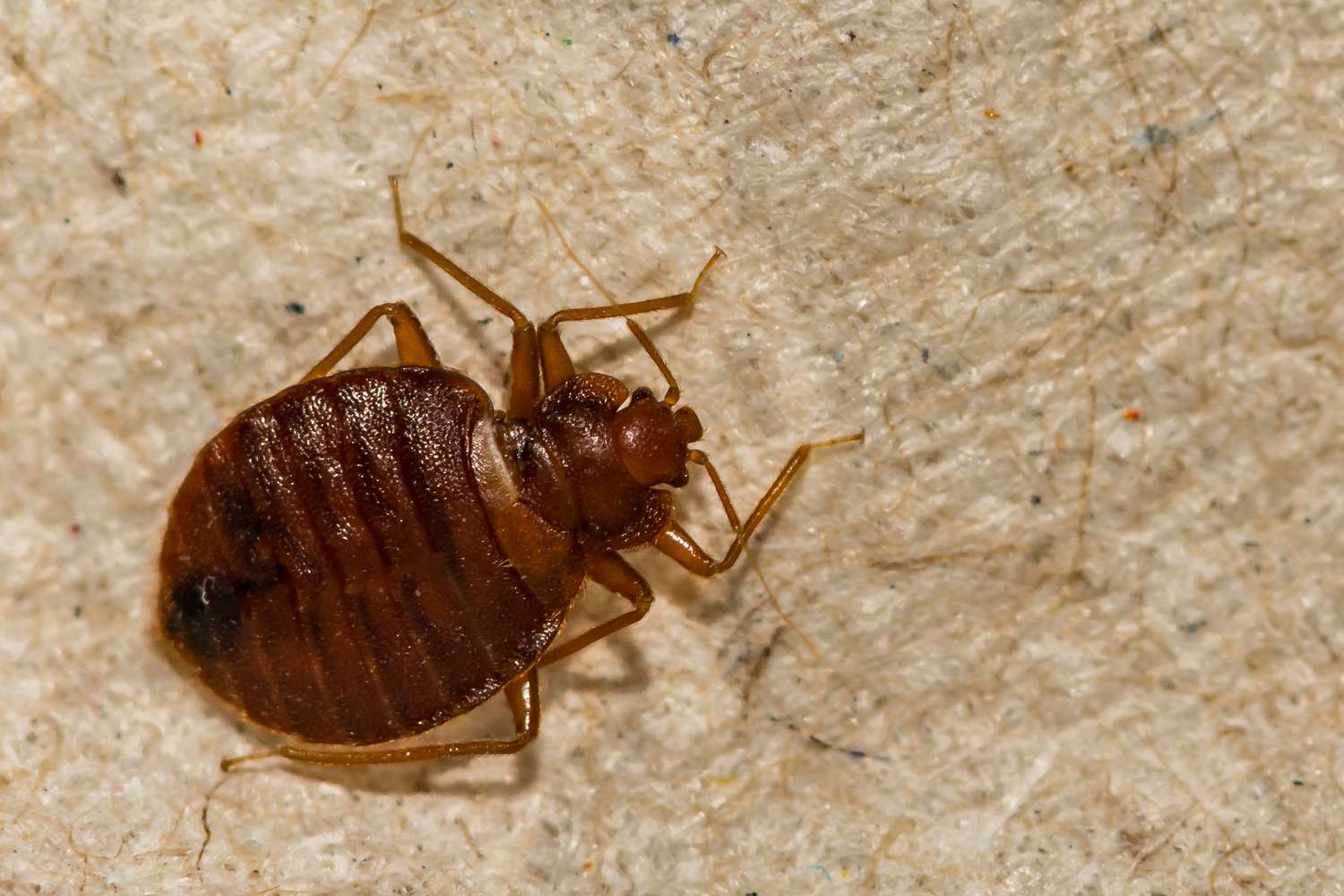
Real bed bugs are:
- Flat and oval, about the size of an apple seed (4-5mm)
- Reddish-brown in color – darker after feeding
- No wings – they cannot fly or jump
- Found in clusters near mattress seams, headboards, and furniture joints
- Leave behind tiny rust-colored stains and shed skins
If your bug doesn’t match all of these – keep reading.
Bugs Most Commonly Mistaken for Bed Bugs
| Bug | Size | Color | Wings | Bites? | Key Difference |
|---|---|---|---|---|---|
| Bat bug | 4-5mm | Brown | Hidden wing pads | Yes | Longer hair on thorax; lives near attics |
| Spider beetle | 1-5mm | Reddish-brown | No | No | Round, spider-like legs, no flat body |
| Booklouse (psocid) | 1-2mm | Pale/brown | Some have wings | No | Much smaller, found in damp/humid areas |
| Carpet beetle larva | 2-5mm | Brown/striped | No (larva stage) | No – causes rash | Hairy/bristled body, not flat |
| Cockroach nymph | 3-10mm | Brown/tan | No (nymph stage) | No | Longer antennae, moves very fast |
| Flea | 1-3mm | Dark brown | No | Yes | Jumps; very narrow, not oval |
| Tick | 3-8mm | Brown to gray | No | Yes | 8 legs; embedded in skin when feeding |
| Swallow bug | 3-4mm | Brown | No | Yes | Found near bird nests, not beds |
Let’s Look at Each One Closely
Bat Bugs
The most convincing bed bug impersonator. Bat bugs are nearly identical to bed bugs – same size, same color, same shape. The key difference is microscopic: bat bugs have longer fringe hairs on their thorax.
If you’re finding these, it usually means there are bats living in your attic or walls. Treat the bat problem first; the bugs follow their host.
Spider Beetles
These look like a cross between a spider and a tiny beetle. They’re rounder – not flat – and have long, spider-like legs. They don’t bite and are typically found in pantries and stored food areas, not beds.
Booklice (Psocids)
Tiny and pale, these are more common after water damage or in humid basements. They’re so small they’re easy to dismiss – but if you’re finding them in clusters near books, wallpaper, or damp wood, that’s your clue. They don’t bite and aren’t a health risk.
Carpet Beetle Larvae
This is the one that fools people the most – not because they look like bed bugs, but because *their bites cause similar reactions*. Carpet beetle larvae have bristly, hairy bodies (very unlike the smooth bed bug) but their shed hairs cause skin irritation that mimics bed bug bites.
Cockroach Nymphs
Baby cockroaches are flat and brown – easily mistaken at first glance. But they’re faster, have longer antennae, and their body shape is more elongated. If you’re seeing these, you have a roach problem, which is a separate issue entirely.
How to Confirm It’s Actually a Bed Bug
Step 1: Capture the bug in a sealed plastic bag or jar.
Step 2: Compare it to reference images – the CDC and EPA both have clear bed bug photos online.
Step 3: Check the mattress seams, box spring, and headboard for:
- Live bugs or shed skins
- Tiny rust-colored fecal stains
- Small white eggs (1mm, pearl-shaped)
Step 4: If still unsure, take the specimen to a pest control professional. Most offer free inspections.
When to Actually Worry
Call a professional if you find:
- Multiple bugs of the same type in your bed or furniture
- Rust-colored spots on your sheets when you wake up
- Itchy, red bite marks in a line or cluster on your skin
- Shed skins near mattress seams
Most insects that resemble bed bugs are nuisances, not infestations. Proper identification before treatment saves you hundreds of dollars and a lot of unnecessary stress.



Leave a reply




-
Appropriate Color Collocation For Summer time Clothing
Summer time time time can be used. Isn’t it here i am ...