
SMART FARMING EQUIPMENT INVESTMENTS THAT MAXIMIZE PRODUCTIVITY
1. UNDERSTANDING AGRICULTURE FARMING EQUIPMENTS
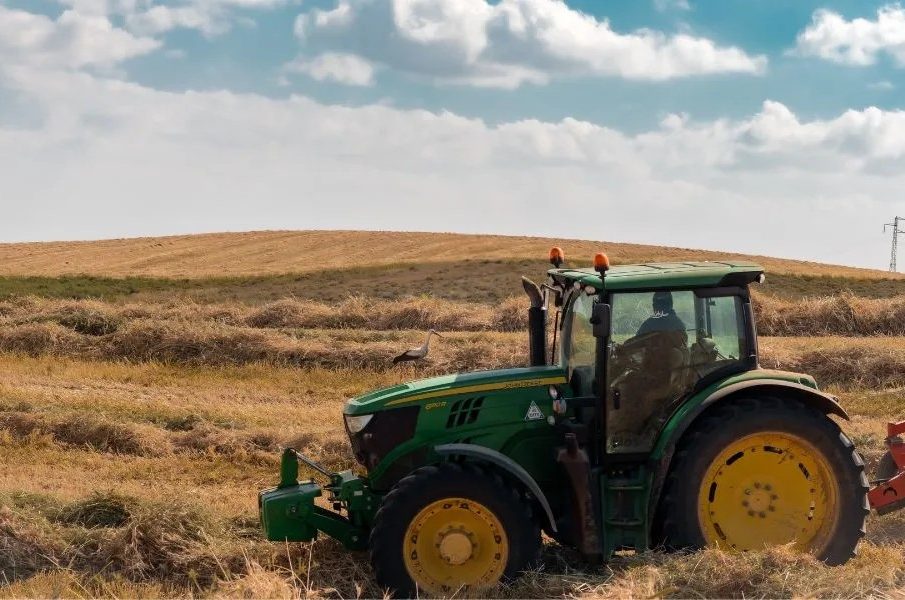
Equipment, tools, and machines that facilitate various farming activities are known as agricultural farming implements. These range from simple tools to sophisticated machinery. The main aim of these inventions is to perform tasks, including irrigating, plowing, sowing, and post-harvest processing, more efficiently when compared to manual labour. While selecting and using these tools, it is also important to focus on handling the business side of farming. Various implements under this are as follows:
- Tillage Implements: Prepares soil for planting (cultivators, harrows, plows)
- Planting and Sowing Equipment: Precise seed placement (planters, transplanters, and seed drills)
- Irrigation Systems: Water usage optimization (Sprinklers, water pumps, and drip irrigation)
- Harvesting Implements: Efficient collection of crop (threashers, combine harvesters, and reapers)
- Post-Harvest Tools: Processing and storage procedure (Packaging machines, dryers, and mills)
2. HOW FARMING IMPLEMENTS IMPROVE PRODUCTIVITY
- Time Efficiency: The scale of farming operations is limited as manual farming tools are time-consuming. Large areas are covered in less time by using modern tools. For example, a tractor attached to a plow can cover several acres of land in a fraction of the time when compared to only plow usage. Time saved from this can be utilised to attend to essential activities like quality control and crop management.
- Labour Optimization: One of the common challenges in agriculture is labour shortage. Dependency on manual labor can be reduced by mechanized farming, and a few workers get to tend to large areas. For illustration: Dozens of labourers can be replaced by a single combine harvester during harvest time, which results in reduced labour costs and improved efficiency.
- Precision in Farming: Seeds are precisely sown due to modern implements like planters and seed drills. Germination rates can be increased, seed wastage can be reduced, and uniform crop growth is promoted by proper depth, seed placement, and spacing. Environmental impact can be reduced, and productivity can be enhanced by precision farming tools, as they enable accurate application of pesticides and fertilizers.
- Enhanced Soil Management: Water Retention, Soil Aeration, and Nutrient Distribution are improved by harrows and plows (tillage implements). Strong root systems and high crop yields are a result of healthy soil. Crop productivity over multiple seasons is enhanced by reducing soil compaction via mechanized tillage.
- Reduction of Crop Loss: Often, significant crop loss happens due to manual methods during the harvesting stage. Timely and efficient crop rotation is ensured by threshers, mechanized harvesters, and other implements. Spoilage is prevented, and maximum yield is derived with the help of post-harvest machines like mills and dryers.
- Cost Efficiency: Although the initial investment is high, there are various long-term benefits that we can derive from this, like low wastage, an increase in crop yields, and reduced labour costs. This makes the implementation a cost-effective solution for increasing profitability and productivity.



Leave a reply




-
Appropriate Color Collocation For Summer time Clothing
Summer time time time can be used. Isn’t it here i am ...