Why Do People Get Tattoos? The Real Reasons
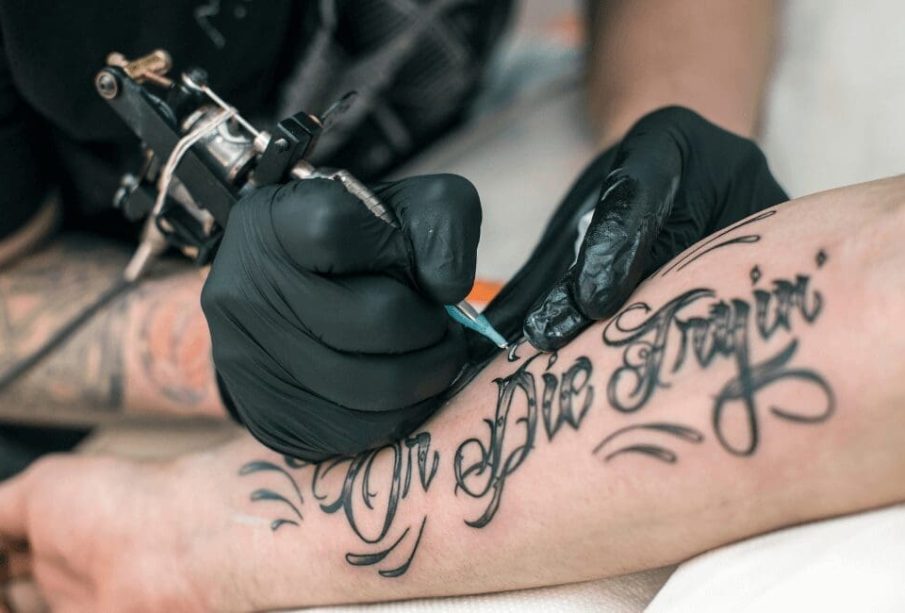
When exploring why do people get tattoos, research highlights self-expression, memorializing loved ones, and marking significant milestones as primary drivers. Whether it’s a way to reclaim one’s body after trauma or simply to appreciate the art form, tattoos serve as permanent visual markers of personal identity and connection to shared beliefs or cultures.
What’s changed in recent decades is who gets tattooed. Once associated primarily with sailors, bikers, and counterculture, tattoos are now mainstream across most demographics. Around 32% of Americans have at least one tattoo according to Pew Research, and that number climbs above 40% among adults under 40. The reasons have always been personal – but the social permission to have them has expanded dramatically.
Top Reasons People Get Tattoos
| Reason | Description | % Who Cite It (approx.) |
|---|---|---|
| Self-expression | A way to display identity, personality, or worldview on their body | ~40% |
| Memorial / tribute | Honoring someone who has died; keeping them close | ~30% |
| Meaningful life event | Marking a milestone – recovery, achievement, transition | ~25% |
| Aesthetic / art appreciation | They simply love the visual; the body as canvas | ~20% |
| Cultural or spiritual | Tribal tradition, religious symbolism, cultural identity | ~15% |
| Impulsive / spontaneous | Decided on a whim; regret rates higher in this group | ~10% |
| Social influence | Friends or partner had one; wanted to fit in or bond | ~8% |
The Psychology Behind Getting Tattooed
Psychologists who study tattooing often point to body autonomy as a core driver – the desire to make a permanent, deliberate mark on one’s own body as an act of self-ownership. This is especially strong among people who have experienced situations where they felt they lacked control over their bodies or lives – illness, trauma, grief, or difficult transitions.
There’s also a ritual dimension. The process of getting a tattoo – choosing the design, sitting through the discomfort, watching it emerge – creates a kind of ceremony. Many people describe their tattoo sessions as meditative or cathartic, not just cosmetic.
Cultural and Historical Significance
| Culture / Era | Tattoo Significance |
|---|---|
| Ancient Egypt (c. 2000 BCE) | Fertility and healing symbols; worn by women |
| Polynesian cultures | Marks of status, lineage, spiritual protection |
| Japanese Irezumi | Art tradition; social identity; originally criminal branding that evolved into art |
| Maori Ta Moko | Facial tattoos encoding genealogy and rank; deeply sacred |
| Western military (18-20th c.) | Camaraderie, unit identity, memorial of service |
| Modern era (1990s-present) | Mainstream self-expression; fashion; cross-cultural adoption |
Tattoos as Identity and Self-Expression
For many people, getting tattooed is about making the invisible visible. A survivor of cancer gets a tattoo to mark what their body went through. Someone who struggled with their sexuality gets a symbol that means something only to them. A parent gets their child’s name written in a way that makes the love permanent.
Tattoos allow people to curate their own narrative on their body – to choose what story they want to carry with them. That’s a genuinely powerful form of self-authorship in a world where most things happen to us rather than being chosen by us.
The Pain and Permanence – Why They Don’t Deter People
- Pain is part of the ritual for many – it gives the tattoo meaning; something earned rather than just purchased.
- Permanence is often the point – people want something that can’t be taken away or forgotten.
- Even knowing they might regret it, many people feel the emotional value at the time outweighs future risk.
- Research shows regret rates are relatively low – around 17% of tattooed people report regretting at least one.
How Reasons Have Changed Across Generations
Older generations often got tattooed for military affiliation or counterculture rebellion. Gen X tattooed as a statement of identity against mainstream norms. Millennials embraced tattoos as personal narrative and aesthetic choice. Gen Z increasingly treats tattoos as casual fashion – smaller, less symbolic, more about visual aesthetics than deep meaning.
None of these motivations is more valid than another. The reasons people get tattooed have always been as varied as people themselves – which is exactly why the practice has survived for thousands of years across almost every human culture on earth.




Leave a reply




-
Appropriate Color Collocation For Summer time Clothing
Summer time time time can be used. Isn’t it here i am ...